
 |
Operating in bushfire conditions imposes extreme environmental stresses: temperatures potentially exceeding 100°C, radiant heat flux in the kilowatt-per-square-meter range, voltage spikes from pump motor switching, and electromagnetic interference from diesel ignition systems. Multiple layers of protection address these challenges.
- Thermal Protection - Temperature-sensitive components (electronics, plastic valve actuators) are protected by the shed cooling system described earlier.
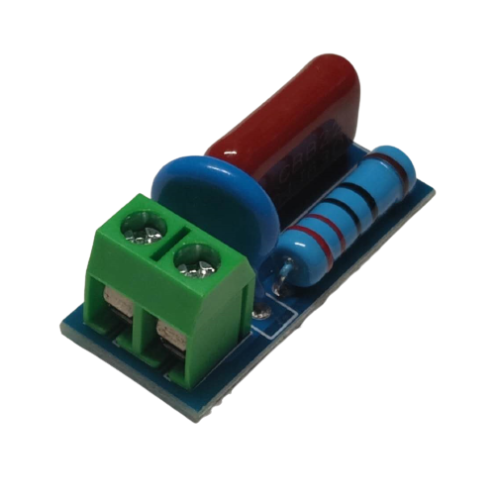
- Separate 12V to 5V DC Buck step-down power supplies protected by snubber spike suppression service the logic and relay sides of the control system.
- The autonomous control electronics (two Arduinos, buck converters, LCD display, RS-485 module) are housed in an IP66-rated polycarbonate enclosure with flame temperature rating of 96°C, though they depend primarily on spray cooling of the enclosing shed rather than passive insulation for thermal protection.
- Electrical Transient Protection - Voltage spikes during pump starting (potentially exceeding 30V on a 12V system due to inductive kickback from the starter solenoid) are suppressed by P6KE15A or 1.5KE18A transient voltage suppression (TVS) diodes clamping across the battery terminals and at strategic points throughout the power distribution network.
- Each GPIO pin connected to off-board sensors or relays incorporates 220-470Ω series resistance followed by a P6KE6.8A TVS diode to GND and a 0.1µF ceramic capacitor to GND, creating a three-stage protection network that limits voltage excursions, absorbs transient energy, and shunts high-frequency noise.
- Electromagnetic Interference Mitigation - The RS-485 communication between house and shed employs 120Ω termination resistors and ferrite core clamps where the cable enters enclosures.. This differential signaling approach provides excellent common-mode noise rejection.
- Power supply lines incorporate ferrite beads in series, presenting high impedance to high-frequency noise while allowing DC and low-frequency signals to pass unattenuated.
- Multiple layers of command from the Internet serviced by either NBN optical or mobile G4 services, to the autonomous control from within the pump shed itself, to mobile SMS based control of the pump through the pump control module provide layers of defence against communication failure .
- Water Ingress Protection - The danger of an inadvertent water spray within the pump shed is mitigated by housing critical electronics in polycarbonate IP66 enclosures. All external cable entries use cable glands with waterproof seals.
For more background and technical detail refer to Pump shed protection, Protection against voltage surge and spikes, Protection of more sensitive electronic components from water spray incident.
<< Battery, Charging, and Power Distribution | | Summary: the integrated physical infrastructure >> |Table of Contents>